
News
Rare disease drug nitisinone makes human blood deadly to mosquitoes
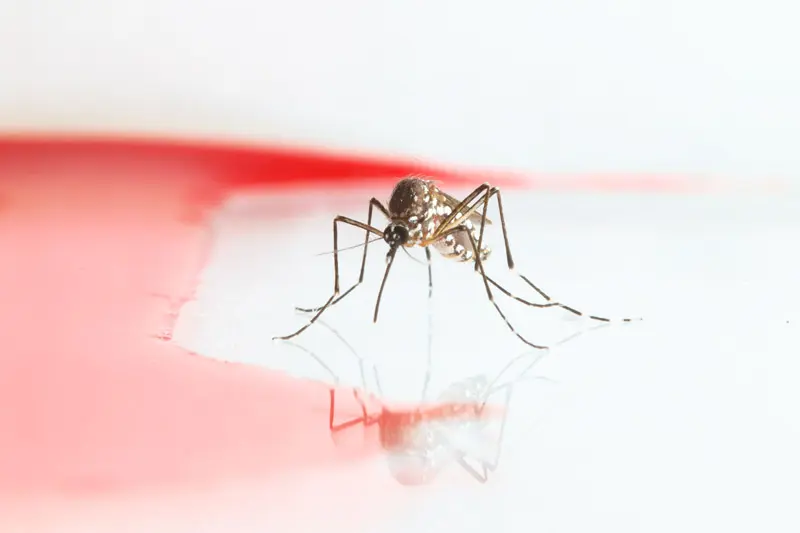
A study in Science Translational Medicine found when patients take the drug nitisinone, their blood becomes deadly to mosquitoes.
From pioneering work in the 1950s to ongoing research today, our researchers are fighting diseases carried by the world's deadliest animal: the mosquito.
Mosquito-borne illness research
How Notre Dame continued the fight against Zika in South America.
News
A study in Science Translational Medicine found when patients take the drug nitisinone, their blood becomes deadly to mosquitoes.

News
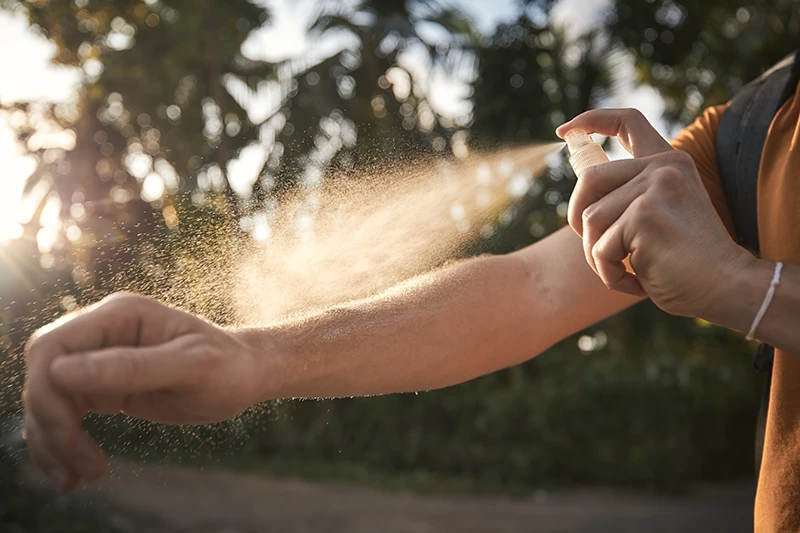
The Iquitos trial was part of a multi-year effort led by scientists at the University of Notre Dame to determine the protective efficacy of spatial repellents to prevent human infection with pathogens that cause diseases such as malaria, Zika and dengue, spread through mosquito bites.

News
Researchers at the University of Notre Dame have conducted an analysis of the World Mosquito Program’s randomized control trial of Wolbachia-infected mosquitoes in Indonesia, looking at how excluding transmission dynamics impacted the original interpretation of the trial’s results.

News
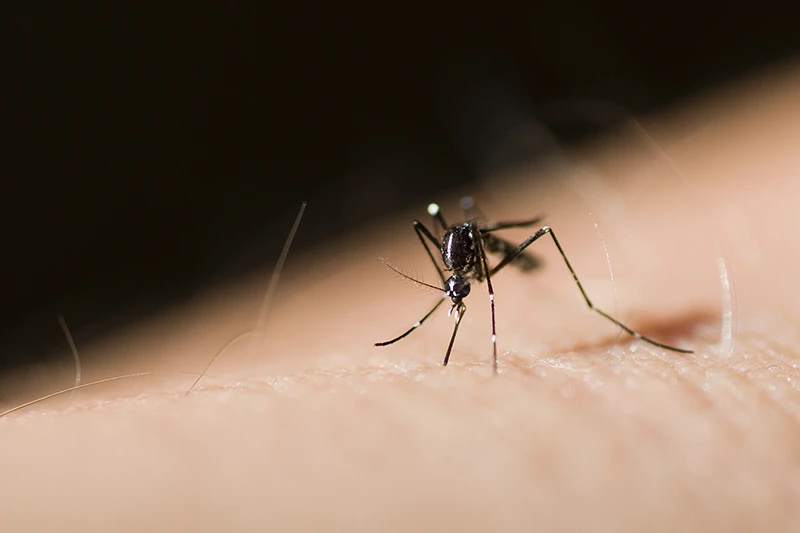
The study also indicates that nearly a quarter of dengue virus transmission is the result of mosquitoes biting those already infected before the onset of symptoms.
Found 0 results

Article
The collaboration supports research, education, and action to build a more just, sustainable future.
Podcast
The American family has changed dramatically over the past four decades, raising urgent questions about marriage, economic stability, and child well-being.

Article
The humble piety of Notre Dame cobbler Brother Columba inspires a canonization push.




Podcast
Mendoza professor Joe Holt joins Jenna Liberto to talk purpose-driven goals, meaningful work, and redefining success.

Article
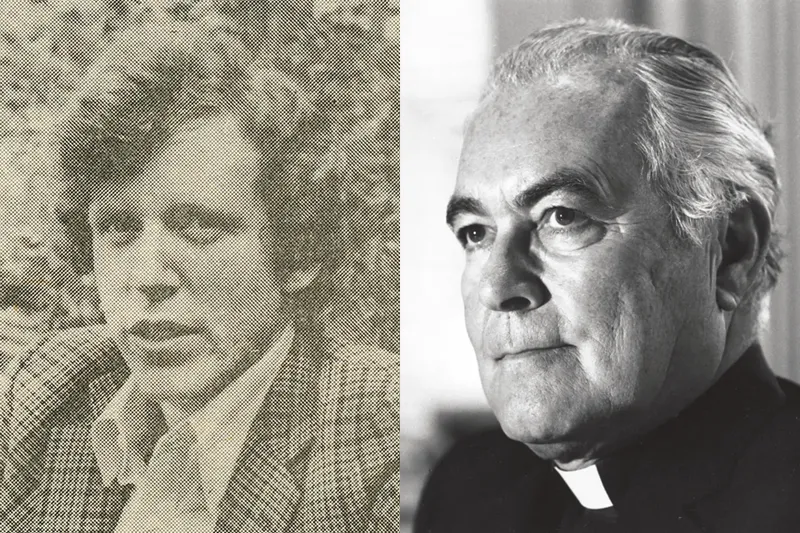
Observer founder Robert Sam Anson had a contentious yet strong relationship with ND President Father Hesburgh.